
Últimos artículos
1
1
1
- Nature
Jan 22, 2026
The Spiritual Landscape of Bali
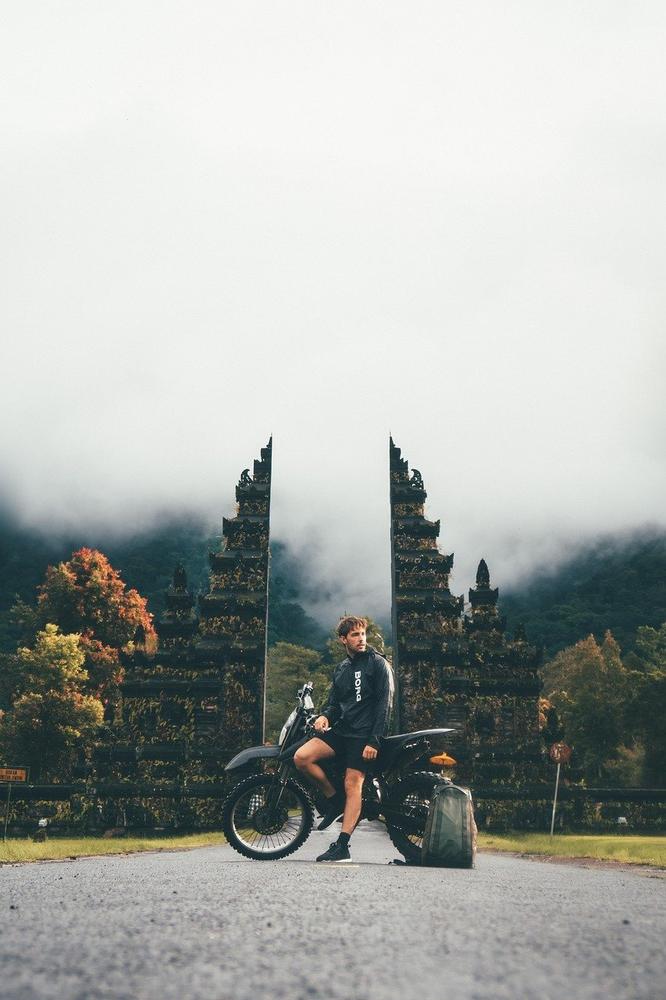
Bali’s landscape is not merely dramatic — it is sacred. Mount Agung rises as both a geological force and a spiritual axis, anchoring the island’s cosmology. Water temples channel ancient irrigation networks that symbolize harmony between humans, nature, and the divine. Along the coastline, shrines face the sea, acknowledging both its power and its mystery. Spirituality in Bali is not confined to temple walls. It is present in architecture aligned with cosmic balance, in daily offerings placed at thresholds, in music and dance that narrate epic stories of gods and heroes. The island lives within a philosophy of interconnectedness — a constant dialogue between seen and unseen worlds. Travelers who look beyond surface beauty begin to sense this deeper layer: a culture where the sacred is woven into the ordinary, and where nature itself is treated as a living, breathing participant in human life.

- Culture
Jan 22, 2026
The Art of Simplicity in Japan
In Japan, simplicity is not the absence of detail — it is the refinement of intention. Rooted in philosophies such as wabi-sabi and ma, Japanese aesthetics embrace space, imperfection, and quiet restraint. A teahouse interior may appear minimal at first glance, yet every material, texture, and shadow has been thoughtfully considered. The pause between notes in traditional music holds as much meaning as the sound itself.
This sensibility extends beyond design into daily living. Meals are plated with balance and seasonality in mind. Gardens are arranged to frame stillness rather than overwhelm the senses. Architecture often invites nature inward through sliding doors and carefully positioned windows. In a world driven by excess and constant motion, Japan’s art of simplicity offers something profoundly modern: clarity. It encourages us to remove what is unnecessary, to value craftsmanship over abundance, and to rediscover beauty in subtle, intentional moments.
- Gastronomy
Jan 22, 2026
Seasonal Living in Japan
In Japan, the passage of time is felt through subtle transformations. Spring’s sakura blossoms are cherished not simply for their beauty, but for their reminder of impermanence. Summer brings vibrant festivals, lantern-lit evenings, and the hum of cicadas in warm twilight air. Autumn unfolds in a palette of deep crimson and gold, while winter blankets temples and gardens in serene stillness.
Seasonality influences everything — from cuisine and ceramics to poetry and architecture. Restaurants adjust their menus to reflect the freshest ingredients of the moment; interior spaces shift textures and tones to mirror the changing light. Even language carries seasonal references, acknowledging nature as an ever-present companion. To live seasonally in Japan is to cultivate attentiveness — to notice the small shifts in wind, flavor, and color — and to embrace the fleeting beauty that defines each passing chapter of the year.
- Nature
Jan 22, 2026
Japan: Where Tradition Shapes the Future
Japan is often perceived through contrast — ancient temples standing beside neon-lit skyscrapers, centuries-old tea rituals unfolding in cities powered by cutting-edge technology. Yet rather than opposing forces, tradition and innovation exist here in quiet harmony. Modern design draws from historical craftsmanship. Contemporary cuisine reinterprets ancestral recipes. Even fashion and architecture reference patterns and philosophies rooted in the past.
In Kyoto, moss-covered shrines whisper stories of samurai and scholars. In Tokyo, sleek urban landscapes pulse with creative energy. The continuity between eras is what defines Japan’s identity. Respect for heritage informs progress; discipline and precision bridge generations. To explore Japan is to witness how a culture can evolve without erasing its foundation — how memory and movement coexist. It is a reminder that modernity need not abandon tradition, but can instead be enriched by it.

- Nature
Jan 22, 2026
Bali Beyond the Postcard
Bali is often captured in a single frame — emerald rice terraces, dramatic waterfalls, golden sunsets. Yet beyond the lens lies an island defined not by spectacle, but by rhythm. In the early morning light, women place handwoven offerings of flowers and incense outside their homes. Farmers move slowly through the fields, guided by ancestral irrigation systems that have sustained villages for centuries. Temple bells echo softly through the air as daily life unfolds in quiet devotion. To experience Bali beyond the postcard is to surrender to its pace. It is to sit in conversation with a local artisan who speaks of generations past, to witness a ceremony not staged for visitors but carried out with reverence, to understand that beauty here is inseparable from belief. Bali reveals itself gently — not through grand gestures, but through layered moments of culture, ritual, and humanity that linger long after you leave.
- Gastronomy
Jan 21, 2026
Tastes Of Bali: Traditional Balinese Dishes I Bali Food Guide
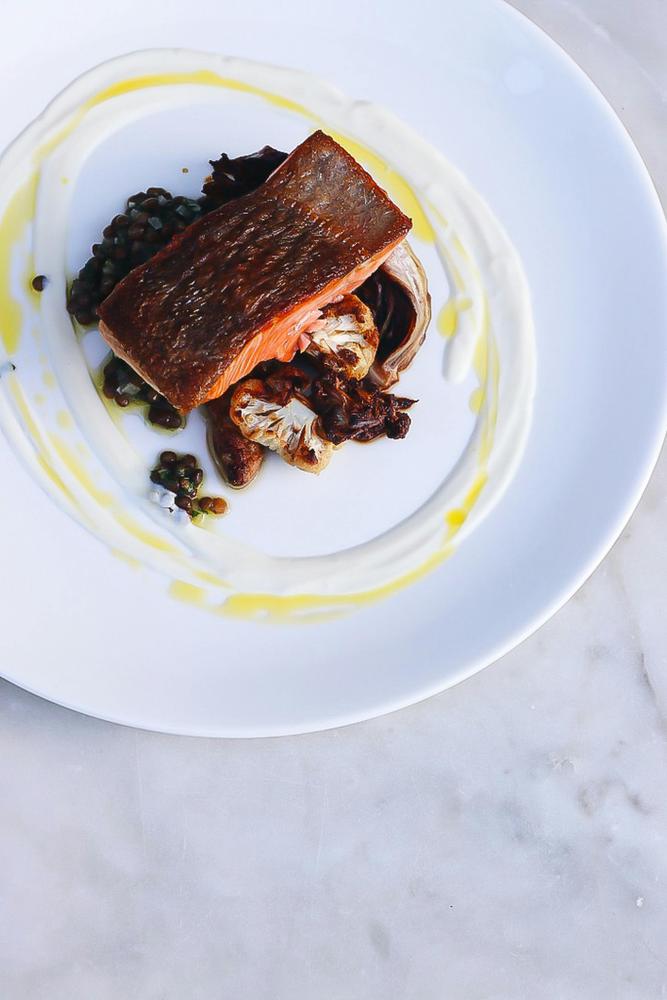
Balinese cuisine is a reflection of landscape and ritual — bold, layered, and deeply expressive. Fragrant spices such as turmeric, galangal, lemongrass, and kaffir lime form the base of base genep, the island’s signature spice paste. Slow-cooked meats, freshly caught seafood, and vibrant vegetable dishes are prepared not only for nourishment but for ceremony and celebration.
Meals in Bali are communal experiences. Dishes are shared, stories exchanged, and time allowed to unfold. From the crisp textures of bebek goreng to the richness of coconut-infused curries, each bite carries a balance of heat, sweetness, and depth. Street markets hum with energy, while refined dining spaces reinterpret traditional flavors with contemporary finesse. To taste Bali is to experience its generosity — an island where food connects people to land, culture, and spirit in the most immediate and memorable way.
Todas las categorías
All categories
Gastronomy
Nature
Culture